
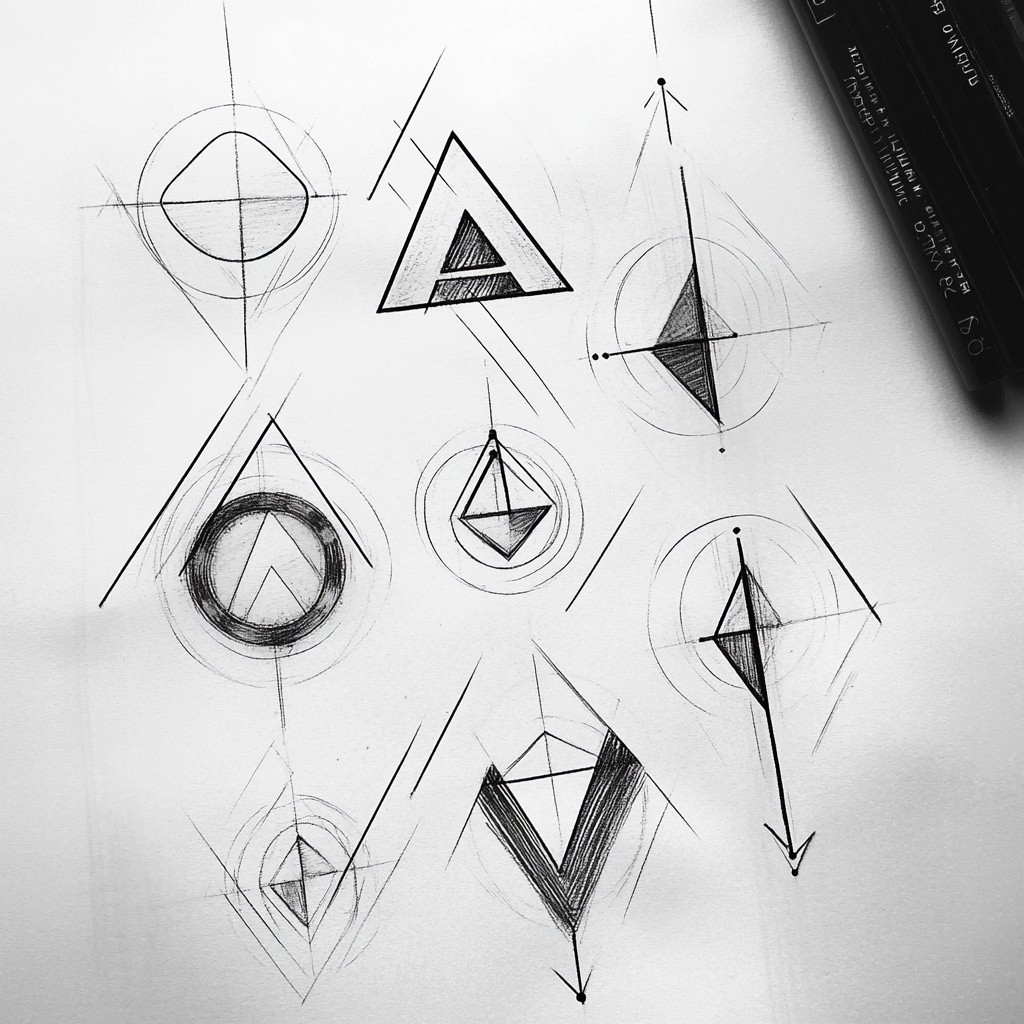
In recent years, minimalism has emerged as a powerful design philosophy that champions simplicity and functionality. We find ourselves drawn to this aesthetic, which strips away the unnecessary and focuses on the essential elements of design. The allure of minimalism lies in its ability to convey messages with clarity and precision.
By utilizing clean lines, ample white space, and a limited color palette, we can create designs that are not only visually appealing but also easy to navigate. This approach resonates with our desire for clarity in an increasingly cluttered world, where distractions abound and attention spans are fleeting. As we embrace minimalism, we discover that less truly can be more, allowing us to communicate our ideas effectively without overwhelming our audience.
Moreover, minimalism encourages us to think critically about the elements we choose to include in our designs. Each component must serve a purpose, whether it’s enhancing usability or reinforcing brand identity. This intentionality fosters a deeper connection between the design and its audience, as we strive to create experiences that are both functional and aesthetically pleasing.
By focusing on the essentials, we can cultivate a sense of harmony and balance in our work. As we continue to explore the principles of minimalism, we find that it not only influences our design choices but also shapes our overall approach to creativity, urging us to prioritize quality over quantity in every project we undertake.
Logo design trends Key Takeaways
- Minimalism in design emphasizes simplicity and functionality, removing unnecessary elements to create a clean and uncluttered aesthetic.
- Geometric shapes are gaining popularity in design, bringing a sense of symmetry, precision, and modernity to logos and branding.
- Nostalgic design elements from past eras are making a comeback, adding a sense of familiarity and comfort to modern designs.
- Bold typography makes a statement in logo design, using strong and impactful fonts to convey a brand's personality and message.
- Vibrant colors are being used to create eye-catching and memorable logos, adding energy and excitement to brand identities.
Geometric Shapes: The Rise of Symmetry and Precision
The resurgence of geometric shapes in design has captivated our imagination and transformed the way we approach visual communication. These shapes, characterized by their clean lines and symmetrical forms, evoke a sense of order and precision that resonates with contemporary audiences. As we incorporate geometric elements into our designs, we find that they not only enhance visual appeal but also convey a sense of stability and reliability.
The use of triangles, circles, squares, and polygons allows us to create compositions that are both striking and harmonious, drawing the viewer's eye while maintaining a sense of balance. In addition to their aesthetic qualities, geometric shapes also offer a versatile framework for storytelling. We can use these forms to represent complex ideas in a simplified manner, making them accessible to a broader audience.
For instance, a series of interconnected circles can symbolize collaboration and unity, while sharp angles may convey innovation and dynamism. As we experiment with geometric shapes in our designs, we discover new ways to express our brand's identity and values. This exploration not only enriches our creative toolkit but also encourages us to think critically about how form and function intersect in the world of design.
Retro Revival: Nostalgic Design Elements Making a Comeback
As we navigate the ever-evolving landscape of design trends, we find ourselves increasingly drawn to the charm of retro aesthetics. The revival of nostalgic design elements allows us to tap into collective memories and emotions, creating a sense of familiarity that resonates with audiences across generations. From vintage typography to classic color palettes, retro design evokes a sense of warmth and authenticity that is often missing in contemporary styles.

By incorporating these elements into our work, we can create designs that not only stand out but also foster a connection with viewers on a deeper level. The appeal of retro revival lies in its ability to blend the old with the new, creating a unique fusion that speaks to both tradition and innovation. As we explore this trend, we find ourselves inspired by the craftsmanship and attention to detail that characterized past eras.
Whether it’s the bold graphics of the 1970s or the playful patterns of the 1980s, retro design invites us to experiment with color, texture, and form in ways that feel fresh yet familiar. By embracing this nostalgic aesthetic, we can infuse our work with personality and character, allowing us to stand out in a crowded marketplace while paying homage to the rich history of design.
Bold Typography: Making a Statement with Fonts
| Typography Style | Usage | Effect |
|---|---|---|
| Bold | Emphasizing important text | Makes the text stand out and grab attention |
| Large Bold | Headings and titles | Creates hierarchy and draws the reader's eye |
| Heavy Bold | Highlighting key points | Provides visual weight and importance to the text |
In an age where visual communication reigns supreme, bold typography has emerged as a powerful tool for making statements and capturing attention. We recognize that fonts are not merely functional elements; they are integral components of our design narrative. By selecting bold typefaces that reflect our brand's personality, we can convey messages with impact and clarity.
Whether it’s through oversized headlines or striking contrasts between font weights, bold typography allows us to create visual hierarchies that guide the viewer's eye and emphasize key information. Moreover, the use of bold typography encourages us to think creatively about how we present text within our designs. We can experiment with letter spacing, alignment, and color to create dynamic compositions that engage our audience.
As we embrace this trend, we find ourselves inspired by the endless possibilities that typography offers for self-expression. From playful scripts to modern sans-serifs, each font carries its own unique character and voice. By harnessing the power of bold typography, we can elevate our designs and create memorable experiences that resonate with viewers long after they’ve encountered our work.
Vibrant Colors: Using Bright and Eye-catching Palettes
The impact of color on design cannot be overstated; it has the power to evoke emotions, convey messages, and capture attention in an instant. As we delve into the world of vibrant colors, we discover how bright and eye-catching palettes can transform our designs into captivating visual experiences. By embracing bold hues and unexpected combinations, we can create compositions that stand out in a sea of muted tones.
This approach not only enhances aesthetic appeal but also reinforces brand identity by creating memorable associations with specific colors. Incorporating vibrant colors into our designs invites us to explore the psychological effects of color on our audience. We understand that different colors elicit different emotions; for instance, warm tones like red and orange can evoke feelings of excitement and energy, while cool tones like blue and green may promote calmness and tranquility.
By thoughtfully selecting our color palettes, we can craft designs that resonate with viewers on an emotional level. As we experiment with vibrant colors, we find ourselves inspired by their ability to breathe life into our work, creating dynamic visuals that capture attention and leave a lasting impression.
Hand-drawn Illustrations: Adding a Personal Touch to Logos
In an increasingly digital world, hand-drawn illustrations have emerged as a refreshing alternative that adds a personal touch to logo design. We find ourselves drawn to the warmth and authenticity that these illustrations bring to our work. Unlike polished digital graphics, hand-drawn elements evoke a sense of craftsmanship and individuality that resonates with audiences seeking genuine connections with brands.
By incorporating hand-drawn illustrations into our logos, we can create unique identities that stand out from the competition while fostering a sense of familiarity. Moreover, hand-drawn illustrations allow us to infuse personality into our designs in ways that rigid digital graphics cannot achieve. Each stroke carries the artist's unique style and perspective, resulting in logos that feel alive and dynamic.
This approach encourages us to embrace imperfections as part of the creative process, celebrating the beauty of human expression in our work. As we explore this trend further, we discover how hand-drawn illustrations can tell stories about our brands' values and missions, inviting viewers to engage with our identities on a deeper level.
3D Effects: Creating Depth and Dimension in Logo Design
As technology continues to advance at an unprecedented pace, 3D effects have become an exciting avenue for enhancing logo design. We find ourselves captivated by the potential of three-dimensional elements to create depth and dimension within our work. By incorporating shadows, gradients, and perspective into our logos, we can transform flat designs into visually engaging compositions that draw viewers in.
This technique not only adds visual interest but also allows us to convey a sense of realism that resonates with contemporary audiences. The use of 3D effects encourages us to think beyond traditional design boundaries as we explore new ways to represent our brands visually. We can experiment with layering elements or creating interactive experiences that invite viewers to engage with our logos from different angles.
This exploration opens up endless possibilities for creativity while reinforcing brand identity through memorable visuals. As we embrace 3D effects in logo design, we find ourselves inspired by their ability to elevate our work and create lasting impressions on audiences.
Sustainability: Incorporating Eco-friendly Elements into Logos
In an era where environmental consciousness is paramount, incorporating sustainability into logo design has become not just a trend but a necessity. We recognize that consumers are increasingly seeking brands that align with their values, particularly when it comes to environmental responsibility. By integrating eco-friendly elements into our logos—such as natural motifs or earthy color palettes—we can communicate our commitment to sustainability while appealing to conscious consumers.
This approach not only enhances brand identity but also fosters trust and loyalty among audiences who prioritize ethical practices. Moreover, sustainability in logo design encourages us to think critically about materials and processes used in production. We can explore options such as biodegradable inks or recycled materials for printed materials associated with our logos.
By making thoughtful choices throughout the design process, we contribute positively to the environment while reinforcing our brand's commitment to sustainability. As we embrace this trend, we find ourselves inspired by the potential for design to drive meaningful change in society—one logo at a time—creating visuals that reflect not only who we are as brands but also what we stand for in an ever-evolving world.
If you're interested in the latest logo design trends, you might also find it useful to explore how to choose the perfect symbol for your logo. A well-chosen logo symbol can significantly enhance your brand's recognition and appeal. For more detailed insights, consider reading the article on how to pick the perfect logo symbol, which offers valuable tips and examples to help you make an informed decision that aligns with your brand's identity and values.
FAQs
What are logo design trends?
Logo design trends refer to the popular styles, techniques, and elements that are commonly used in creating logos at a particular time. These trends can include color schemes, typography, shapes, and overall design aesthetics.
Why are logo design trends important?
Logo design trends are important because they reflect the current design preferences and aesthetics of a particular time period. By staying updated on logo design trends, designers can create logos that feel modern and relevant to their target audience.
What are some current logo design trends?
Some current logo design trends include minimalist and simplified designs, geometric shapes, vintage and retro aesthetics, bold and vibrant colors, and responsive or adaptable logos that work well across different platforms and devices.
How do logo design trends evolve over time?
Logo design trends evolve over time as a response to changes in technology, cultural shifts, and design preferences. For example, advancements in digital design tools may influence the use of certain techniques, while shifts in popular culture may impact color and style preferences.
Should businesses follow logo design trends?
While it's important for businesses to have a logo that feels current and relevant, it's also crucial for a logo to be timeless and reflective of the brand's identity. Businesses should consider incorporating elements of current trends while also ensuring that their logo will remain effective and impactful for years to come.

No Comments.