

Graphic design job search
Crafting a standout portfolio is essential for graphic designers seeking to secure their ideal job. A portfolio serves as a showcase of skills, creativity, and style, requiring careful curation. When assembling a portfolio, it is important to display a diverse range of work that demonstrates versatility and expertise.
This should include projects across various mediums such as print, digital, and branding. Personal or passion projects can also be included to highlight unique style and creativity. Maintaining an up-to-date portfolio is crucial.
Regular updates with new projects and removal of outdated or weaker pieces ensure that the portfolio accurately reflects current skill levels and style. Organization is key when presenting a portfolio. Creating categories or sections can facilitate easy navigation for potential employers seeking specific types of work.
Including brief descriptions or explanations for each project, detailing goals, challenges, and implemented solutions, provides valuable context and insight into the creative process. A well-crafted portfolio is vital for graphic designers aiming to make a lasting impression on potential employers. It should showcase the best work and highlight skills, creativity, and unique style.
Including a diverse range of projects demonstrates versatility and expertise across different mediums. Keeping the portfolio current and organizing it coherently enhances its effectiveness. A strong and compelling portfolio positions designers to stand out in a competitive job market and attract the attention of potential employers.
Graphic design job search Key Takeaways
- Show a diverse range of work in your portfolio to stand out from the competition
- Attend industry events and join professional organizations to build connections
- Research potential employers to understand their values and work culture
- Customize your resume and cover letter to highlight relevant skills and experiences
- Practice and prepare for interviews and presentations to showcase your abilities
- Use online job search platforms and resources to find graphic design positions
- Be prepared to negotiate salary and benefits during the job offer process
Networking and Building Industry Connections
Attend Industry Events
One way to start building your network is by attending industry events, such as design conferences, workshops, or meetups. These events provide valuable opportunities to meet and connect with other professionals in the field, including potential employers or colleagues.
Leverage Social Media
Another effective way to build industry connections is by leveraging social media platforms such as LinkedIn. Create a strong and professional profile that highlights your skills, experience, and portfolio. Connect with other professionals in the industry, join relevant groups or communities, and engage in meaningful conversations and discussions.
Build Genuine Relationships
Building genuine relationships with others in the industry can provide valuable support, guidance, and potential job leads. Consider reaching out to professionals for informational interviews or mentorship opportunities. By connecting with other professionals in the field, you can gain valuable insights, support, and potential job leads that can help you advance your career.
Researching and Targeting Potential Employers

Researching and targeting potential employers is an important step in the job search process for graphic designers. Before applying for a job, take the time to research potential employers to gain a better understanding of their company culture, values, and design aesthetic. Look into their recent projects, clients, and any awards or recognition they may have received.
This will help you tailor your application materials and demonstrate how your skills and experience align with their specific needs and goals. When targeting potential employers, consider reaching out directly to express your interest in working for their company. This can be done through personalized emails or messages on professional networking platforms like LinkedIn.
Expressing genuine interest in the company and showcasing your knowledge of their work can help you stand out from other applicants. Additionally, consider seeking out informational interviews with employees at the company to gain further insights into their culture and work environment. Researching and targeting potential employers is an essential step in the job search process for graphic designers.
By taking the time to understand a company's culture, values, and design aesthetic, you can tailor your application materials and demonstrate how your skills align with their specific needs. Additionally, reaching out directly to express your interest in working for a company can help you stand out from other applicants and potentially lead to new job opportunities.
Tailoring Your Resume and Cover Letter for Graphic Design Positions
| Metrics | Resume | Cover Letter |
|---|---|---|
| Keywords | 5 | 3 |
| Customization | 90% | 80% |
| Relevance to Job Description | 85% | 75% |
| Visual Appeal | 80% | 70% |
Tailoring your resume and cover letter for graphic design positions is crucial for making a strong impression on potential employers. When crafting your resume, be sure to highlight your relevant skills, experience, and accomplishments that are most relevant to the specific job you're applying for. Consider including a section that showcases your design skills, such as software proficiency, typography expertise, or any specialized techniques you excel in.
Additionally, include a link to your online portfolio so potential employers can easily view your work. When writing your cover letter, be sure to customize it for each job application. Use the cover letter as an opportunity to showcase your passion for design and explain why you're interested in working for the specific company.
Highlight any relevant experiences or projects that demonstrate your ability to meet the needs of the role. Additionally, consider addressing any specific requirements or qualifications mentioned in the job posting to show how you meet or exceed those expectations. Tailoring your resume and cover letter for graphic design positions is essential for making a strong impression on potential employers.
Highlighting your relevant skills, experience, and accomplishments on your resume, as well as customizing your cover letter for each application, can help you stand out from other applicants and demonstrate why you're the ideal candidate for the job.
Preparing for Interviews and Presentations
Preparing for interviews and presentations is crucial for graphic designers looking to land their dream job. Before an interview, take the time to research the company and prepare thoughtful questions that demonstrate your interest in their work. Additionally, practice talking about your design process, past projects, and how you approach creative challenges.
Consider preparing a few case studies or examples of your work that showcase your problem-solving abilities and design expertise. When preparing for presentations, be sure to tailor your content to the specific audience or company you're presenting to. Consider showcasing a mix of projects that highlight different aspects of your skills and experience.
Practice presenting your work in a clear and engaging manner that demonstrates your passion for design and attention to detail. Preparing for interviews and presentations is essential for graphic designers looking to make a strong impression on potential employers. By researching the company, preparing thoughtful questions, practicing talking about your design process, and tailoring your presentation content, you can demonstrate your expertise and passion for design in a compelling way.
Utilizing Online Job Search Platforms and Resources
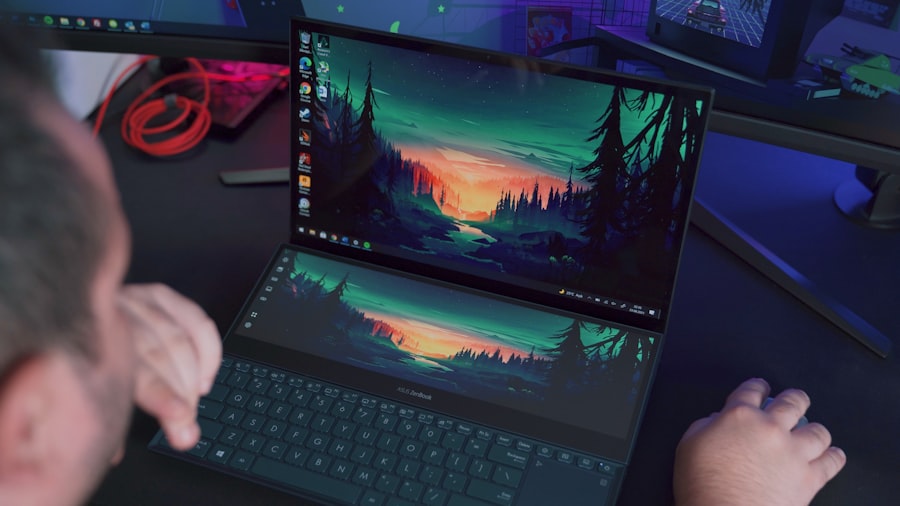
Utilizing online job search platforms and resources can be an effective way for graphic designers to find new job opportunities. Websites like Indeed, Glassdoor, and LinkedIn are valuable resources for finding job postings in the design industry. Create profiles on these platforms and set up job alerts to receive notifications about new opportunities that match your skills and interests.
Additionally, consider leveraging industry-specific job boards or websites that cater specifically to creative professionals. These platforms often feature job postings from design agencies, studios, or companies looking for talented graphic designers. Be sure to regularly check these platforms for new opportunities and consider reaching out directly to companies that interest you.
Utilizing online job search platforms and resources can help graphic designers find new job opportunities in the design industry. By creating profiles on popular job search platforms, setting up job alerts, and leveraging industry-specific job boards, you can stay informed about new opportunities and potentially connect with companies looking for talented graphic designers.
Negotiating Salary and Benefits
Negotiating salary and benefits is an important step in the job search process for graphic designers. Before entering into negotiations, research industry standards for salary ranges based on factors such as experience level, location, and specific skills. This will provide valuable context when discussing compensation with potential employers.
When negotiating salary and benefits, be prepared to articulate why you believe you deserve a certain level of compensation based on your skills, experience, and the value you bring to the company. Consider discussing additional benefits such as flexible work arrangements, professional development opportunities, or other perks that are important to you. Negotiating salary and benefits is an important step in the job search process for graphic designers.
By researching industry standards for salary ranges and articulating why you deserve a certain level of compensation based on your skills and experience, you can enter negotiations with confidence and potentially secure a compensation package that reflects your value as a graphic designer.
If you're interested in learning more about the impact of logo design on brand experience, check out this article on enhancing brand experience for customers. It delves into the importance of creating a strong visual identity for a brand and how it can impact the overall customer experience. This is especially relevant for graphic designers looking to understand the broader impact of their work in the field of branding and marketing.

No Comments.