

1. The Evolution of Luxury Branding
From the earliest days of luxury branding, Innovation and Future Trends in Luxury Branding were primarily defined by their craftsmanship and exclusivity, to the modern era where personalization, sustainability, and technology play key roles in shaping consumer perception, the evolution of luxury branding has been marked by significant changes.
As consumers become increasingly discerning and demanding, luxury brands must adapt to stay relevant and maintain their status as leaders in the industry. This section will explore the major milestones and turning points in the history of luxury branding, highlighting how these changes have impacted the way we perceive and interact with luxury products today.
2. Personalization as a Key Trend - Innovation and Future Trends in Luxury Branding
As luxury brands continue to evolve, personalization has emerged as a key trend in the industry. With consumers seeking unique and tailored experiences, luxury brands must adapt to meet these demands. This can include everything from customized products and services to personalized marketing campaigns.
By offering highly individualized offerings, luxury brands can create a deeper connection with their customers and set themselves apart from competitors. Additionally, personalization allows luxury brands to better understand their target audience, enabling them to create more effective marketing strategies and improve customer retention. As personalization becomes increasingly important in the world of luxury branding, it is likely that we will see even more innovative approaches to this trend in the future.
3. Sustainability and Ethical Consumerism
Sustainability and ethical consumerism have become increasingly important in the world of luxury branding. As consumers become more aware of the impact their purchases have on the environment and society, luxury brands must adapt to meet these changing expectations. Many brands are now focusing on sustainable practices such as using eco-friendly materials, reducing waste, and minimizing their carbon footprint.
Additionally, there is a growing trend towards ethical consumerism, where consumers prioritize products that align with their values, such as fair labor practices and animal welfare. Luxury brands that can demonstrate their commitment to sustainability and ethics will likely see a boost in customer loyalty and appeal to a wider audience.
4. Technology and Virtual Reality Experiences
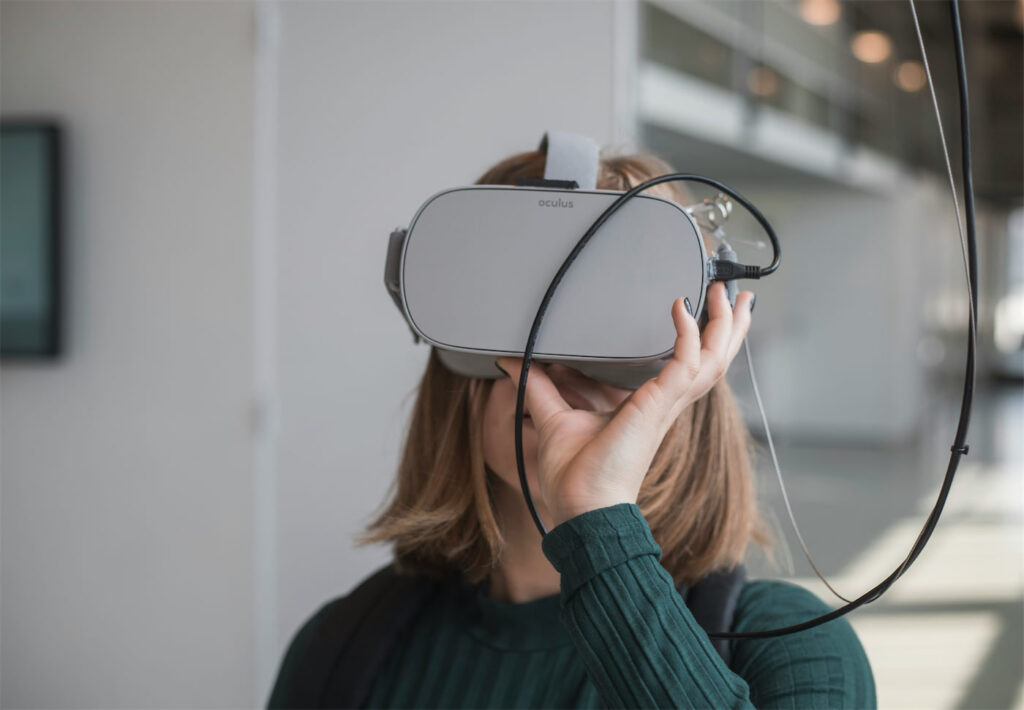
Technology has always been a driving force behind innovation in luxury branding. As consumers become increasingly tech-savvy, luxury brands must adapt to stay relevant. One area where technology is making a significant impact is in virtual reality (VR) experiences.
Virtual reality allows customers to experience a brand's products and services in a fully immersive way, without ever leaving their home. This can be especially appealing for luxury brands, which often rely on sensory experiences to create a sense of exclusivity and indulgence.
Luxury brands are using VR to offer customers unique and personalized experiences. For example, a high-end fashion brand might use VR to allow customers to virtually try on different outfits or accessories before making a purchase. This not only helps customers visualize how the product would look on them, but it also saves time and resources for both the customer and the brand.
Another way luxury brands are leveraging VR is through virtual showrooms. These allow customers to explore a brand's entire collection in a fully immersive environment, without the need for physical storefronts. This not only reduces overhead costs for the brand, but it also provides a more convenient and seamless shopping experience for the customer.
Overall, VR technology is transforming the way luxury brands interact with their customers. By providing highly personalized and immersive experiences, luxury brands can differentiate themselves from competitors and create a deeper connection with their target audience.

5. Collaborations and Partnerships
Collaborations and partnerships have become increasingly common in the luxury industry as brands seek to expand their reach and tap into new markets. These collaborations can take many forms, from designer collaborations to brand partnerships with artists, influencers, and celebrities. They allow luxury brands to tap into new audiences and create unique experiences for customers.
Additionally, collaborations can also help brands to stay relevant and adapt to changing consumer preferences. For example, a luxury fashion brand may partner with a technology company to create an augmented reality shopping experience or collaborate with a sustainable materials supplier to reduce its environmental impact. As the luxury market continues to evolve, we can expect to see more innovative collaborations and partnerships that blur the lines between different industries and create new opportunities for growth.
6. Social Media and Influencer Marketing
Social media and influencer marketing have become essential tools for luxury brands looking to reach new audiences and build brand awareness. Platforms like Instagram and Facebook allow brands to showcase their products in visually stunning ways, while influencers can help to promote these products to their followers. However, it's important for luxury brands to carefully select influencers who align with their values and target audience. Additionally, social media platforms offer opportunities for two-way communication between brands and consumers, allowing for personalized experiences and building loyalty.
7. Authenticity and Storytelling
Authenticity and storytelling have become increasingly important in luxury branding. As consumers become more discerning and seek genuine experiences, luxury brands must focus on creating authentic connections with their customers. This can be achieved through storytelling, which allows brands to share their values, history, and craftsmanship with consumers. By sharing their unique stories, luxury brands can create an emotional connection with their audience, making them feel valued and appreciated.
8. The Rise of Independent Brands
The rise of independent brands has been a significant trend in luxury branding over the past few years. These brands have disrupted the traditional luxury market by offering unique and authentic products that cater to niche markets. They often focus on sustainable and ethical practices, which aligns with the growing demand for responsible consumption.
Independent brands are also known for their innovative approaches to marketing and storytelling, which allows them to connect with their target audience on a deeper level. As a result, these brands have gained a loyal following and have become increasingly popular among consumers who seek authentic and personalized experiences. The rise of independent brands has forced established luxury brands to reevaluate their strategies and adapt to changing consumer preferences.

9. Niche Market Targeting
Niche market targeting refers to the practice of focusing on specific segments of the luxury market rather than attempting to appeal to a broad audience. This approach allows luxury brands to create products and experiences that cater specifically to the needs and desires of their target customers. By identifying and serving niche markets, luxury brands can differentiate themselves from competitors and establish a strong brand identity.
Logos.ai
Top Branding & Logo Design Inspiration
No Comments.