

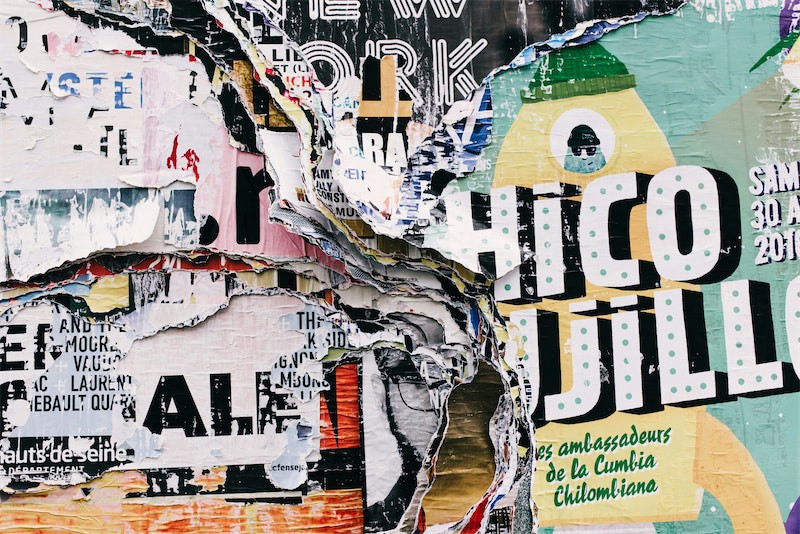
1. Introduction to typography and its importance in design.
Typography is the art and technique of arranging type to make written language visually appealing and readable. It is an essential element of graphic design and plays a crucial role in creating effective communication through visual elements. In this article, we will explore the world of fonts and delve into the importance of typography in design.
2. The history of fonts and how they have evolved over time.
The history of typography is as rich and diverse as the languages it has served. From the earliest days of written communication, humans have sought to express themselves through the written word. As civilizations developed, so too did the tools used to create and transmit that word. In this section, we will explore the evolution of fonts and how they have shaped the world we know today.
The earliest forms of writing were made with ink and quill or chisel and stone. These methods allowed for basic forms of communication, but they were limited in their ability to convey complex ideas or emotions. It wasn't until the invention of the printing press by Johannes Gutenberg in the 15th century that the world of typography began to take shape. The printing press revolutionized the way books and documents were produced, making them more accessible and affordable for the masses.
Over the centuries, fonts have continued to evolve and change. New technologies have been developed that allow for even greater control over the appearance of text. Today, there are thousands of fonts available for use in print and digital media. Each font has its own unique character and style, making it possible to choose the perfect one for any given project.
In conclusion, the history of typography is a testament to human creativity and ingenuity. From the early days of handwritten scripts to the modern digital age, fonts have played a crucial role in shaping our world. Understanding the history of typography can provide valuable insight into the ways in which we communicate and express ourselves.
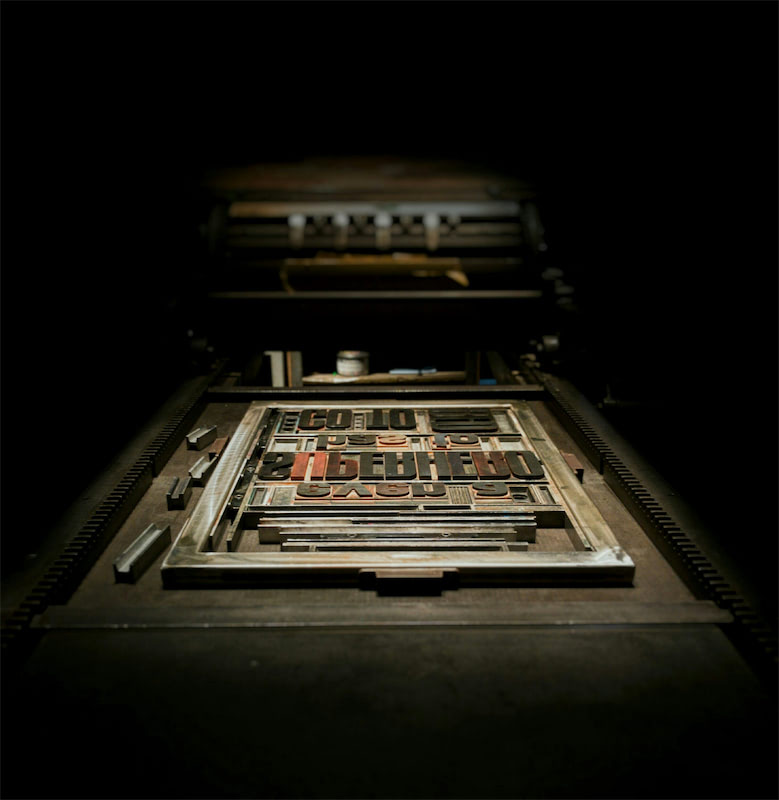
3. The different types of fonts (serif, sans-serif, script, etc.) and their characteristics.
In this section, we will explore the various types of fonts that exist and their unique characteristics. Serif fonts, sans-serif fonts, script fonts, and decorative fonts are some of the most common categories. Each type has its own distinct style and can evoke different emotions or tones in a design. Understanding these differences can help designers choose the best font for their specific needs.
4. How to choose the right font for a particular design project.
When it comes to choosing the right font for a design project, there are several factors to consider. Firstly, it's important to think about the purpose of the project and the message you want to convey. For example, if you're creating a poster for a music festival, you might want to use a bold, eye-catching font that reflects the energy and excitement of the event. On the other hand, if you're designing a brochure for a serious business, you might opt for a more professional, traditional font.
Another important factor to consider when choosing a font is the intended audience. If you're designing a website or marketing materials for a younger demographic, you might want to use a more modern, trendy font. However, if your target audience is older or more conservative, you might want to stick with a classic, timeless font.
In addition to these considerations, it's also important to think about the overall aesthetic of the project and how the font will fit in with the design. Some fonts may look great on their own, but clash with the colors or graphics used in the design. Others may blend seamlessly into the overall look and feel of the project.
Ultimately, the key to choosing the right font for a design project is to take the time to carefully consider all of these factors and experiment with different options until you find the perfect fit. With a little bit of research and attention to detail, you can create a design that not only looks great, but also effectively communicates your message to your audience.

5. The role of typography in branding and identity.
The Art of Typography plays a crucial role in creating a strong and recognizable brand identity. It is the combination of the visual design elements of typeface, letter spacing, line length, and text alignment used to create a cohesive look and feel for a company or product. Effective use of typography can help establish a unique and memorable brand personality, making it easier for consumers to recognize and connect with a company. In this section, we will explore the ways in which typography contributes to branding and identity, including the creation of logos, the use of custom fonts, and the importance of consistency across all marketing materials.
6. The impact of typography on readability and legibility.
Typography plays a crucial role in determining the readability and legibility of written text. The choice of font, size, spacing, and alignment can all affect how easily and quickly someone can comprehend the message being conveyed. In this section, we will explore the ways in which typography can enhance or detract from the readability and legibility of written material.
7. Tips for using typography in web design.
Typography plays a crucial role in web design, as it helps to establish a visual hierarchy and convey a sense of professionalism and style. Here are some tips for using typography effectively in web design:
1. Keep it simple: Use a limited number of fonts and avoid excessive use of styling such as drop shadows or embossing. This will ensure that your text is easy to read and understand.
2. Choose appropriate sizes: Make sure that your text is large enough to be read comfortably from a distance, but not so large that it takes up too much space on the screen.
3. Use contrast effectively: Contrast between the text and background can improve readability and create visual interest. Experiment with different color combinations to find the best balance.
4. Prioritize content: Use different font weights and sizes to indicate the relative importance of different elements on the page. For example, use bold or larger text for headings, and smaller text for body copy.
5. Consider accessibility: Ensure that your typography meets accessibility standards, including providing adequate contrast and font size for users with visual impairments.
8. The future of typography and emerging trends.
The Art of Typography is constantly evolving, with new trends and technologies emerging all the time. As we look towards the future, it's exciting to consider what the next generation of typographers will create. One trend that is already gaining popularity is the use of custom-made fonts, which allow designers to create unique and personalized typefaces that reflect their individual style and vision. Another trend is the integration of handwritten fonts, which add a human touch to digital designs and give them a more organic feel. Additionally, the rise of responsive design has led to an increased focus on mobile-first typography, ensuring that fonts are optimized for small screens and touch interfaces. Finally, as technology continues to advance, we can expect to see even more innovative and exciting developments in the world of typography.
9. Conclusion and final thoughts on the art of typography.
In conclusion, The Art of Typography is an essential aspect of graphic design that plays a crucial role in conveying a message to the audience. From its humble beginnings as hand-carved letters to the digital age, typography has come a long way and continues to evolve with new technologies and trends. Whether you are a seasoned designer or just starting out, understanding the basics of typography and how to use it effectively can greatly enhance your work and set you apart from the competition. Remember to consider the context, purpose, and audience when choosing the right typeface for your project, and don't be afraid to experiment and try new things. With practice and dedication, you too can master the art of typography and create beautiful, effective designs that leave a lasting impression.
Logos.ai
Top Branding & Logo Design Inspiration
No Comments.