
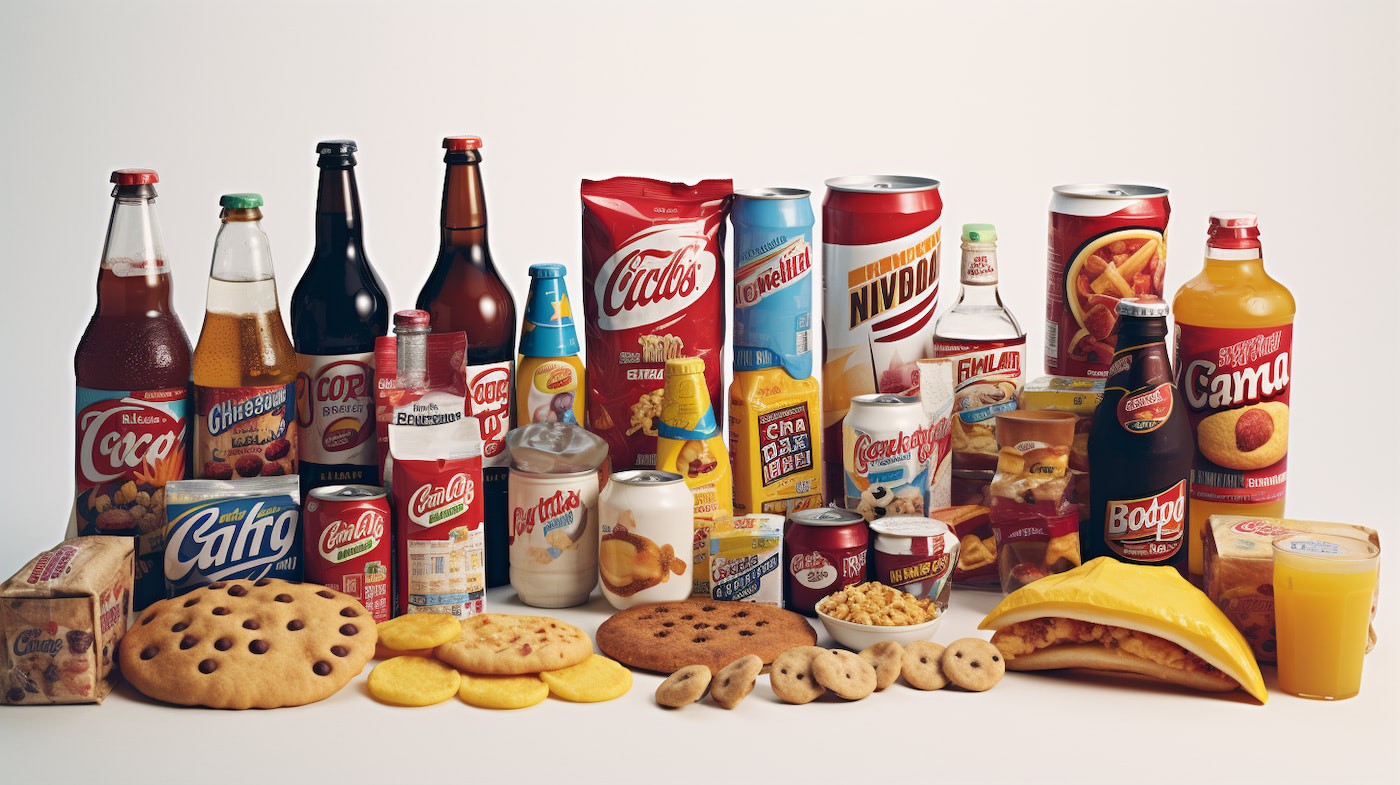
The food industry is a bustling, ever-evolving space. With new brands popping up every day, it can be challenging to make your mark and stand out from the crowd. However, with the right approach to branding for the food industry, you can create a unique identity that resonates with your target audience and sets you apart from your competitors. Here's how.
Understanding Your Market
The first step in creating a unique brand in the food industry is understanding your market. This involves identifying who your target audience is, what they value, and what motivates their purchasing decisions.
For instance, if you're launching a vegan snack brand, your target audience might be health-conscious consumers who value sustainability and animal welfare. Understanding this allows you to tailor your branding efforts accordingly - using messaging that speaks directly to these values.
Moreover, understanding your market also involves keeping an eye on trends within the food industry. For example, there's been an increasing demand for plant-based and gluten-free products in recent years. If these trends align with your brand's offerings, highlighting them in your branding can help attract attention from potential customers.
Creating a Unique standout brand in the food industry
Once you understand your market, it's time to create a unique brand identity that reflects what you stand for as a business. This includes everything from your logo and color scheme to the tone of voice used in your marketing materials.
When it comes to branding for the food industry, authenticity is key. Consumers are increasingly seeking out brands that are transparent about their ingredients and production processes. Therefore, incorporating elements of transparency into your brand identity can help build trust with consumers.
For instance, if you source ingredients locally or use organic farming practices, make sure this is reflected in your branding. Similarly, if sustainability is at the heart of what you do - perhaps through eco-friendly packaging or waste reduction initiatives - highlight this in your brand messaging.
Leveraging Social Media
In today's digital age, social media is a powerful tool for branding in the food industry. Platforms like Instagram and Pinterest are particularly effective, given their visual nature and the popularity of food-related content.
Use these platforms to showcase your products in an appealing way, share behind-the-scenes glimpses into your production process, and engage with your audience. This not only helps build brand awareness but also fosters a sense of community around your brand.
Remember to maintain consistency across all platforms - from the visuals you use to the tone of voice in your captions. This helps reinforce your brand identity and makes it more memorable to consumers.
Building Partnerships
Another effective strategy for creating a standout brand in the food industry is through partnerships. This could involve collaborating with other brands that align with your values or partnering with influencers who can help amplify your reach.
For instance, if you're a vegan snack brand, you might partner with a popular vegan blogger or influencer for a product giveaway. Alternatively, you could collaborate with a local gym or fitness studio - offering samples of your products to their members or co-hosting health-focused events.
These partnerships not only increase visibility for your brand but also lend credibility by associating it with respected figures or establishments within your niche.
Conclusion
Creating a standout brand in the food industry may seem daunting given the level of competition. However, by understanding your market, crafting a unique and authentic brand identity, leveraging social media effectively, and building strategic partnerships - you can carve out a distinct space for yourself within this bustling industry.
Remember that branding is an ongoing process that requires consistent effort and adaptability as market trends evolve. But with dedication and creativity, you can create a powerful brand that resonates with consumers and sets you apart from the competition.
No Comments.